
Vineyard Haven · Accepting new patients
Hearing care without leaving the island.
When the island's ENT and audiology office closed, hearing care didn't have to leave with it. Island Hearing Services is a full audiology practice on State Road in Vineyard Haven — tests, fittings, repairs, and an audiologist who explains what your audiogram actually says.
Down-island, up-island, or across the sound
Everything here is a boat problem until it isn't.
Here
10 State Road, Vineyard Haven
- Drive. Minutes from anywhere down-island, under half an hour from Aquinnah.
- Park on site, in a marked space.
- You are seen at your time, by the audiologist — not by whoever is free.
- Go home.
Door to doorAbout an hour

There
Falmouth, Hyannis or Boston
- Book the boat. Woods Hole is the only year-round vehicle ferry, and in season car reservations go months out.
- Pay for it. A car round trip runs from $147 in the depths of winter to $336 on a summer weekend.
- Drive to the terminal and be early. Nearly a thousand ferry trips were cancelled in the last three years.
- Forty-five minutes across. Then drive to the clinic and hope it is running on time.
- Now do all of it again, backwards, around the schedule.
Door to doorA day, and a reservation you made in March
“I take a taxi to the ferry terminal; once across, I take a bus to South Station, then a taxi to MGH, and the same on return. The trip takes me about eight hours, and costs about $100 in travel.”
The part nobody says out loud
Hearing loss doesn't take your hearing. It takes the room.
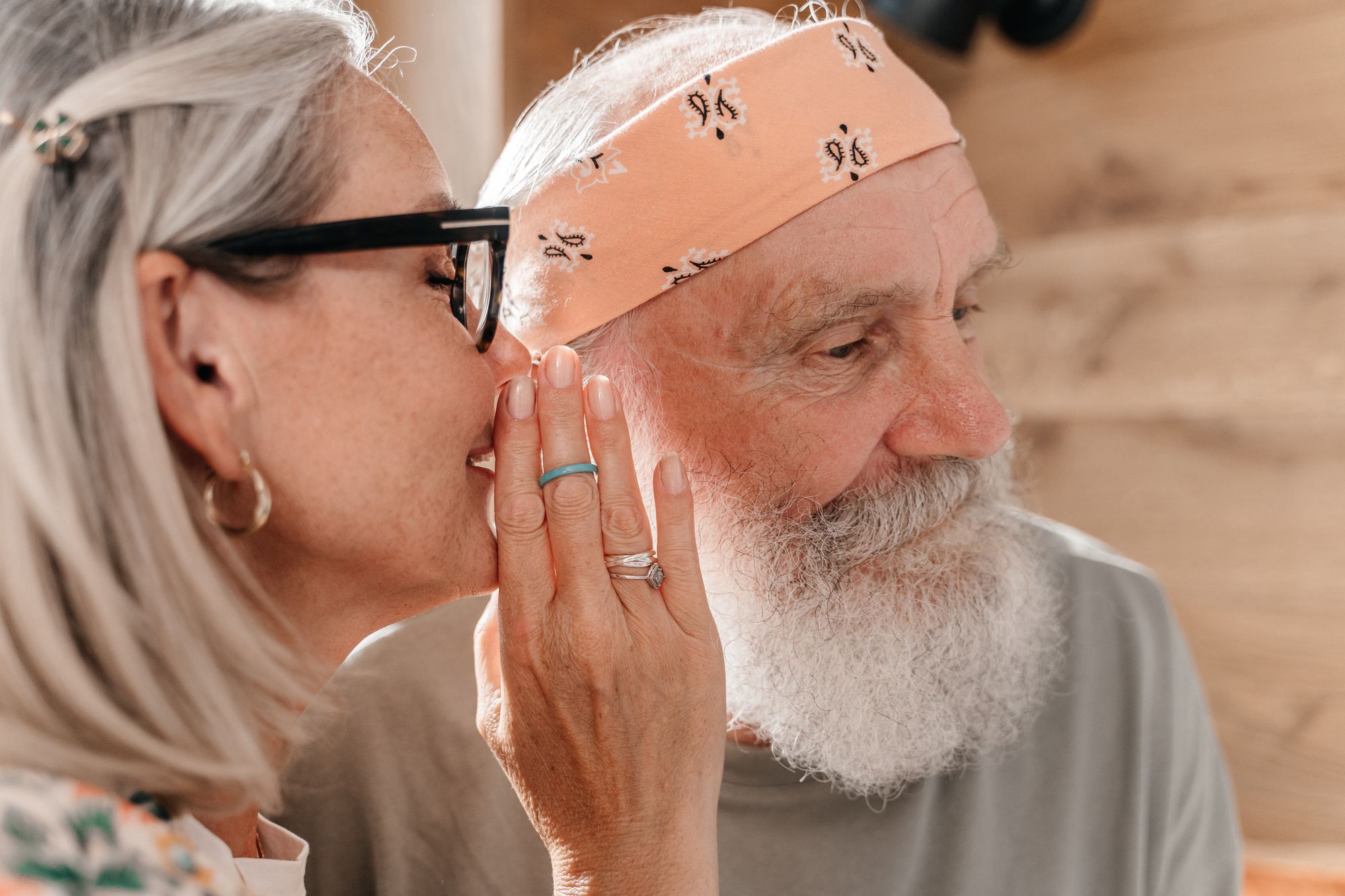
It never announces itself. Nobody wakes up deaf. What happens is that a few consonants go quiet, and then a few more, and the world compensates so smoothly that it takes years to notice anything is missing at all.
What you notice instead is that restaurants got louder. That the grandkids mumble. That you have started sitting at the end of the table instead of the middle, and picking the quiet side of the room, and saying yes less often than you used to. On an island where the whole social world is a dozen rooms and everyone in them is somebody you know, that adds up fast.
The average person waits the better part of a decade to do something about it. Not because they cannot hear — because from the inside, hearing loss doesn't feel like hearing loss. It feels like everyone else changed.
Why it starts with 'everybody mumbles'
Volume is not the thing that goes. Clarity is.
The low frequencies carry almost all of a sound's loudness — engine rumble, a foghorn, the bottom of a man's voice. The high frequencies carry almost all of its meaning: the s and f and th that separate sixty from seventy and fish from fist. Age takes the top of the range first. So speech stays exactly as loud as it always was, and stops being words.
- The West Chop foghorn 100–300 Hz
- Low, loud and slow — among the last things to become hard to hear.
- A man's voice 85–500 Hz
- You hear that someone is speaking, at full volume, without catching the words.
- Vowels 250–1,000 Hz
- Most of the loudness of speech, and almost none of its meaning.
- A child's voice up to 2,000 Hz
- Higher voices lose clarity earlier — one grandparent is easy, the grandchild is not.
- Consonants 2,000–8,000 Hz
- s, f, th, sh, k, t — what tells sixty from seventy, and fish from fist.
- A kettle 4,000–6,000 Hz
- High, thin household sounds stop registering before anyone connects it to hearing.
That is hearing loss in general. What is happening in your ears is a different question, and it takes about an hour in a sound-treated booth to answer properly. What an evaluation involves
Everything hearing, on the island
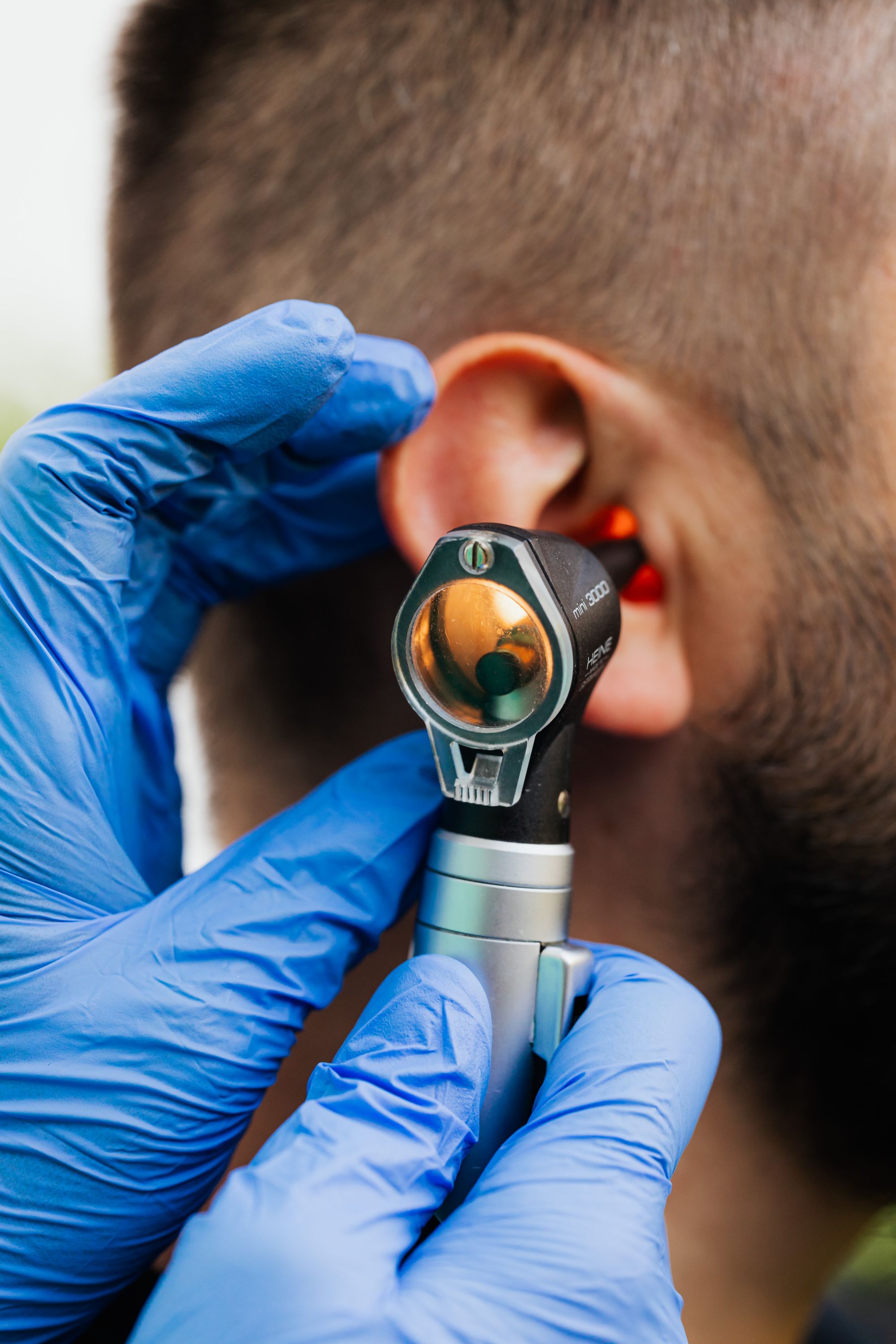
- Hearing evaluationsAn hour in a sound-treated booth, and somebody who sits down afterwards and tells you what the chart actually means.
- Hearing aidsAll seven major manufacturers, programmed to your audiogram. Low-cost demos first, so you hear them in your own week before you buy.
- Repairs & reprogrammingIncluding devices bought somewhere else. Most hearing aids brought in as broken are not broken.
- TinnitusThe ringing nobody else can hear. There is more to be done about it than most people have been told.
- Custom hearing protectionMoulded from your own ears — for the boatyard, the jobsite, the band. Custom protection gets worn. Foam plugs live in a pocket.

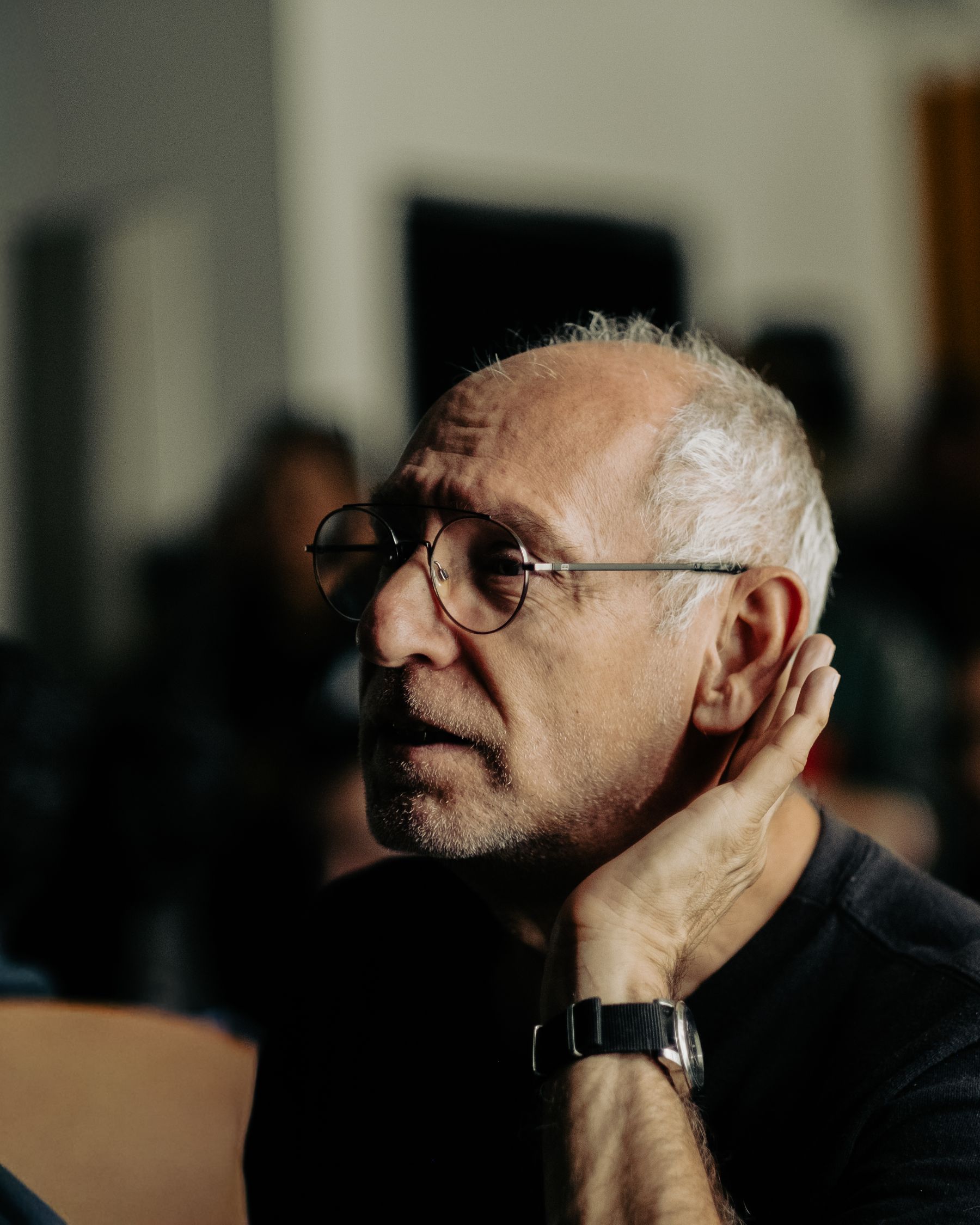

Seven manufacturers
You get the one that suits your ears.
Hearing aids are not ranked best to worst — one handles a crowded restaurant better, another is easier to live with day to day. Dr. Loschen fits all seven majors, so the conversation starts with your ears rather than with what is on the shelf.
How a hearing aid gets chosen here





- Unitron
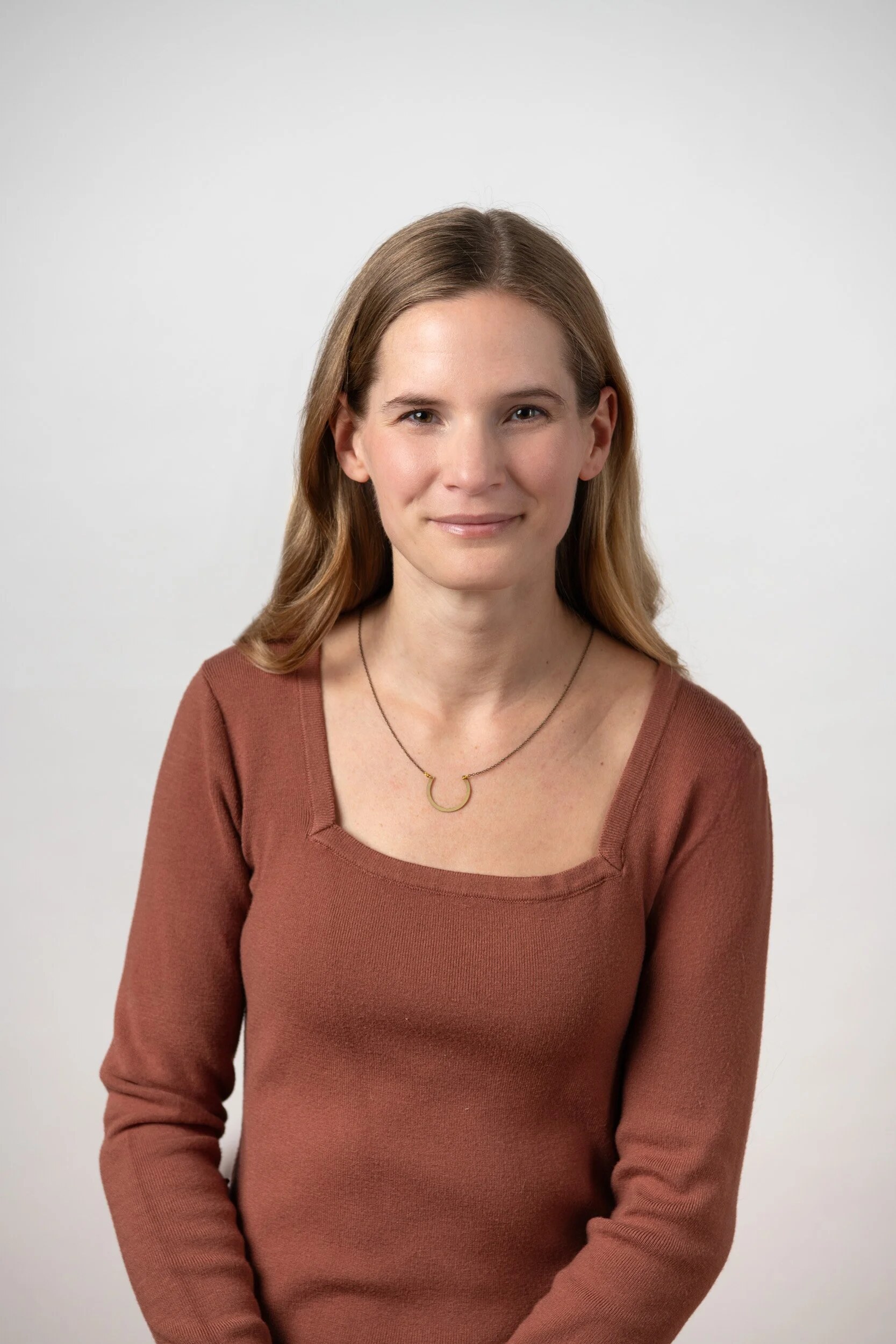
Your audiologist
Jamie LoschenAu.D., CCC-A · Audiologist & Owner
“After spending much of my career commuting off-island to provide hearing care across Cape Cod and beyond, I opened Island Hearing Services so I could serve this community full-time.”More about Dr. Loschen
Insurance
The honest answer to 'is it covered?'
Hearing aid coverage is genuinely confusing, and almost all of the confusion is the plans' doing rather than yours. Here is where it actually stands.
- Medicare Part B
- Does not cover hearing aids. Does not cover hearing-aid-related services either. That is a limit written into the benefit in 1965 and never removed — not a limit of this practice.
- Medicare Advantage and private plans
- Vary enormously. A few carry a real dollar benefit. Many instead hand you access to a third-party discount program and call that a benefit.
- TruHearing · Amplifon · Nations Hearing
- If your plan routes its hearing benefit through one of these, you can spend it here. You are not obliged to take it to a national chain to use it.
- Office visits
- Hearing tests and hearing aid services — adjustments, cleanings, repairs, supplies — are not billed to insurance and carry a flat visit charge. Call and you will be told the figure before you come in.
- Hearing aids themselves
- May be billed through insurance where a benefit exists. Dr. Loschen checks your specific plan and tells you what it really provides before you commit to anything at all.
Common questions
Asked and answered.
Is there an audiologist on Martha's Vineyard?
Yes. Island Hearing Services is an independent audiology practice at 10 State Road, Unit 3 in Vineyard Haven, owned by Dr. Jamie Loschen, Au.D., CCC-A. It provides diagnostic hearing evaluations, hearing aid fittings and repairs, tinnitus management and custom hearing protection on-island, so Vineyard residents do not need to take a ferry to the mainland for hearing care. The practice is accepting new patients. Call (508) 627-0565.
The ENT and audiology office on Martha's Vineyard closed. Where do I go for hearing care now?
Island Hearing Services in Vineyard Haven is continuing hearing care for patients of the closed practice. Dr. Loschen can take over annual hearing evaluations, hearing aid adjustments, reprogramming, cleaning, maintenance and minor repairs. You do not need to switch devices or start over — she works with most hearing aid brands, whether or not the devices were purchased there. Call (508) 627-0565.
Can I get my hearing aids serviced if I bought them somewhere else?
Yes. Island Hearing Services adjusts, reprograms, cleans, maintains, troubleshoots and performs minor repairs on hearing aids bought anywhere, including from another practice, a mainland clinic or a national retailer. Dr. Loschen works with most hearing aid brands and will check that your existing technology is performing as well as it can before recommending anything new.
Does Medicare cover hearing aids?
No. Medicare Part B does not cover hearing aids or hearing-aid-related services. Coverage under other plans varies widely: some private plans provide a true dollar-amount hearing aid benefit, while many route the benefit through a third-party discount program such as TruHearing, Amplifon or Nations Hearing rather than paying toward the devices themselves. Island Hearing Services accepts those third-party benefits, and Dr. Loschen will review your specific plan with you and explain what it actually provides.
How much does a hearing test cost on Martha's Vineyard?
Office visits at Island Hearing Services — including hearing testing and hearing aid services such as adjustments, cleanings, repairs and supplies — are not billed to insurance and carry a flat office visit charge. Hearing aid purchases may be billed through insurance where a benefit exists. Call (508) 627-0565 for the current visit fee and to have your specific plan reviewed.
Which hearing aid brands does Island Hearing Services carry?
Island Hearing Services is independent and fits all major hearing aid manufacturers: Phonak, Oticon, ReSound, Starkey, Widex, Signia and Unitron. Every manufacturer has different strengths and no single brand suits everyone, so Dr. Loschen matches the device to the patient's hearing, lifestyle and budget rather than to a single supplier's catalogue.
Can I try hearing aids before I buy them?
Yes. Island Hearing Services offers low-cost, no-obligation hearing aid demonstrations. Devices are programmed to your own hearing profile and you wear them in your everyday life — at home, in a restaurant, at a meeting — before deciding whether to buy. Trying technology in the situations that actually matter to you is more informative than listening to it in an office.
What happens during a hearing evaluation?
A comprehensive hearing evaluation at Island Hearing Services is performed in a sound-treated booth. Dr. Loschen establishes your hearing thresholds across the frequency range from low to high pitches, and performs speech perception testing to measure how well you understand spoken language at different volumes. Together these determine the degree of hearing loss and its type — conductive, sensorineural or mixed — which is what any treatment plan is built from. She then reviews your audiogram with you and explains what it means.
What can be done about tinnitus?
Tinnitus affects an estimated 15 to 17 percent of the population and many people who have it are significantly bothered by it. Island Hearing Services manages tinnitus with a combination of sound therapy and educational counseling, aimed at reducing the impact it has on daily life. Start with a hearing evaluation, since tinnitus is often accompanied by hearing loss that can be treated.
Do you make custom earplugs for musicians and tradespeople?
Yes. Island Hearing Services makes custom-fitted earplugs and earmolds from impressions of your own ears for hunters, musicians, industrial and construction workers, and anyone with regular occupational or recreational noise exposure. Custom protection fits and seals better than over-the-counter foam, so people actually wear it. The practice also fabricates custom earmolds for communication devices and two-way radios.
Where is Island Hearing Services and is there parking?
Island Hearing Services is at 10 State Road, Unit 3, Vineyard Haven, MA 02568 — in the business complex that shares a driveway with Knit Works, next to the old EduComp building. On-site parking is available, including accessible spaces, in spots designated for Island Hearing Services or in unmarked spaces. Hours are Monday to Friday, 10am to 5pm, by appointment.
Do I have to call to make an appointment?
No. Calling (508) 627-0565 is the fastest way to be seen, but Island Hearing Services also takes appointment requests by message. Fill in the form on the contact page and Dr. Loschen will reply by email or text, whichever you ask for. A telephone call is a genuine barrier for a lot of people with hearing loss, and a hearing practice should not be the one place that insists on it.

Come in. Find out where you actually stand.
An hour in the booth and a conversation about what the results mean. That is the whole first visit. Nobody is going to sell you anything in it, and you are allowed to have been putting it off — most people have, for years.
Rather not phone? That is a reasonable thing to want from a hearing practice. Send a message instead and Dr. Loschen will write back.